LV Quan Environmental Protection Engineering Technology Co.、Ltd。
  • 家
  • 製品
    • 装置
    • エンジニアリング
    • アクセサリー
  • ソリューション
    • 石油化学産業
    • 製薬、化学産業
    • コーティング業界
    • 機械産業
    • 絵画産業
    • エレクトロニクス業界
  • 能力
    • R&D
    • サービス
    • 製造
  • 私たちについて
    • 証明書
    • 工場
  • ニュース
    • 会社のニュース
    • 業界のニュース
    • 展示ニュース
  • お問い合わせ
LV Quan Environmental Protection Engineering Technology Co.、Ltd。
  • 日本語
  • Latine
  • 한국어
  • ไทย
  • বাংলা
  • Hrvatski
  • čeština
  • dansk
  • Nederlands
  • Deutsch
  • Pilipino
  • Indonesia
  • Suomalainen
  • italiano
  • Gaeilge
  • Bahasa Melayu
  • norsk
  • فارسی
  • Polskie
  • Português
  • Română
  • Slovák
  • Türk
  • svenska
  • Tiếng Việt
LV Quan Environmental Protection Engineering Technology Co.、Ltd。

Webメニュー

  • 家
  • 製品
    • 装置
    • エンジニアリング
    • アクセサリー
  • ソリューション
    • 石油化学産業
    • 製薬、化学産業
    • コーティング業界
    • 機械産業
    • 絵画産業
    • エレクトロニクス業界
  • 能力
    • R&D
    • サービス
    • 製造
  • 私たちについて
    • 証明書
    • 工場
  • ニュース
    • 会社のニュース
    • 業界のニュース
    • 展示ニュース
  • お問い合わせ

製品検索

言語

  • 日本語
  • Latine
  • 한국어
  • ไทย
  • বাংলা
  • Hrvatski
  • čeština
  • dansk
  • Nederlands
  • Deutsch
  • Pilipino
  • Indonesia
  • Suomalainen
  • italiano
  • Gaeilge
  • Bahasa Melayu
  • norsk
  • فارسی
  • Polskie
  • Português
  • Română
  • Slovák
  • Türk
  • svenska
  • Tiếng Việt

共有

メニューを終了します

  • 業界のニュース
    家 / ニュース / 業界のニュース / What Materials Can Be Processed in an LQ-SWI Incinerator?

What Materials Can Be Processed in an LQ-SWI Incinerator?

What Materials Can the LQ-SWI Solid Waste Incineration Furnace Process?

The LQ-SWI solid waste incineration furnace is engineered to handle a broad spectrum of waste categories, making it one of the most versatile waste treatment equipment solutions available today. From general municipal solid waste to complex hazardous waste streams, the LQ-SWI furnace delivers reliable, high-efficiency incineration across multiple waste types. Its multi-chamber combustion design, combined with advanced flue gas purification technology, ensures that virtually any solid waste input is treated safely and in compliance with environmental standards.

The four primary waste categories processed by this industrial waste furnace include: general waste (household refuse, packaging materials, organic residues), industrial waste (factory offcuts, chemical residues, process byproducts), medical waste (clinical sharps, contaminated textiles, pharmaceutical discards), and special waste (laboratory chemicals, electronic waste components, agricultural residues). Each category demands specific temperature management and gas treatment protocols, all of which the LQ-SWI system is designed to fulfill.

Across industries ranging from healthcare to manufacturing, operators consistently select the LQ-SWI platform because it integrates waste-to-energy heat recovery with robust eco-friendly emission control — eliminating the need for separate treatment infrastructure while maintaining output compliance.

Waste Categories Accepted by the LQ-SWI Incinerator

Understanding the range of materials compatible with the LQ-SWI furnace helps facility managers plan waste segregation upstream, optimise batch scheduling, and ensure regulatory compliance downstream. The table below summarises the major waste streams and their key characteristics within the incineration process.

Table 1: Waste categories compatible with LQ-SWI solid waste incineration furnaces and their typical characteristics
Waste Category Typical Materials Combustion Temp. Key Treatment Need
General Waste Household refuse, packaging, food waste 650–850°C Volume reduction, odour control
Industrial Waste Chemical residues, factory offcuts, solvents 850–1100°C Complete oxidation, heavy metal capture
Medical Waste Sharps, contaminated PPE, pharmaceuticals >850°C for ≥2 s Pathogen destruction, dioxin control
Special Waste Lab chemicals, agricultural residues, e-waste 850–1200°C Specialised gas scrubbing, slag management

Each waste stream is matched to specific operational parameters within the LQ-SWI control system, enabling operators to switch between waste types without compromising thermal destruction efficiency or emission quality.

Model Specifications and Incineration Capacity

The LQ-SWI series spans eight standard model sizes, from the compact SWI-1 (20–300 kg/batch) to the large-capacity SWI-8 (3,000 kg/batch). This range allows both small facilities — such as rural clinics or small manufacturing workshops — and large-scale industrial operators to select a unit precisely matched to their throughput requirements. The horizontal bar chart below presents the incineration capacity of each model at a glance.

LQ-SWI Series — Incineration Capacity by Model (kg/batch) 0 1000 2000 3000 SWI-1 20–300 SWI-2 400 SWI-3 600 SWI-4 800 SWI-5 1000 SWI-6 1500 SWI-7 2000 SWI-8 3000

The chart above illustrates the stepwise increase in per-batch incineration capacity across the eight LQ-SWI models, from as low as 20 kg (SWI-1 minimum) to a maximum of 3,000 kg (SWI-8). This progression allows facilities to match equipment scale precisely to actual waste generation volumes, reducing both capital expenditure and fuel consumption. The SWI-5 through SWI-8 models are particularly suited to municipal waste incinerator applications and large-volume hazardous waste furnace operations, where daily throughput demands can exceed several tonnes. Smaller models such as SWI-1 and SWI-2 are ideal for clinics, laboratories, and small manufacturing units that need a small waste furnace with reliable thermal destruction performance. Equipment weight scales proportionally — from 1,300 kg (SWI-1) to 6,000 kg (SWI-8) — reflecting the robust, industrial-grade steel construction maintained across the entire range. All models share a burner fuel consumption rating of 2–15 kg/h, with actual fuel use varying based on waste calorific value and batch size.

Table 2: LQ-SWI series model specifications — capacity, volume, and equipment weight
Model Capacity (kg/batch) Furnace Volume (m³) Equipment Weight (kg)
SWI-1 20–300 1 1,300
SWI-2 400 2 2,000
SWI-3 600 3 2,500
SWI-4 800 4 3,000
SWI-5 1,000 5 3,500
SWI-6 1,500 6 4,000
SWI-7 2,000 7 5,000
SWI-8 3,000 8 6,000

Four-Stage Gas Treatment and Emission Control

A defining characteristic of the LQ-SWI solid waste incinerator is its four-phase flue gas treatment chain. Rather than a single-point scrubbing approach, the system subjects exhaust gases to sequential purification stages, each targeting different pollutant classes. This layered methodology is what allows the LQ-SWI to serve as both an eco-friendly incinerator and a robust industrial workhorse.

Phase 1 — Rapid Quench Tower (850°C to 180°C in under 2 seconds)

High-temperature gases exiting the secondary combustion chamber are immediately cooled from 850°C to 180°C within 2 seconds in the gas quench tower. This rapid cooling is critical: it bypasses the 200–500°C temperature window in which dioxins can re-form from precursor compounds. Simultaneously, an atomising spray nozzle injects reagent into the gas stream for concurrent desulfurisation and denitrification, removing SO₂ and NOₓ at the earliest possible stage in the treatment chain.

Phase 2 — Medium-Efficiency Dust Collector and Cyclone Separation

The cooled gas passes through a medium-efficiency dust collector and cyclone separator, which physically separate coarser particulate matter and neutralisation byproduct particles from the gas stream. Cyclone technology uses centrifugal force to hurl particles to the outer wall of the separator body, where they drop into a collection hopper. This stage protects the downstream bag filter from premature loading, extending service intervals and reducing maintenance costs.

Phase 3 — High-Temperature Pulse Jet Bag Filter

Residual fine particulates, sub-micron dust, heavy metals, and dioxins that survived earlier stages are captured by the high-temperature pulse jet bag filter. The filter bags — made from temperature-resistant fibre — accumulate a cake of collected material that itself acts as an additional filtration layer. Periodic pulse-jet cleaning maintains pressure differential within acceptable limits, ensuring continuous operation without manual bag removal. This stage is central to the system's ability to meet stringent particulate emission standards.

Phase 4 — Centrifugal Fan and Compliant Stack Discharge

Cleaned gases are drawn through the system by a centrifugal induced-draft fan and expelled through the emission stack at velocities and concentrations that meet applicable national and international discharge standards. The fan provides stable negative pressure throughout the gas treatment chain, ensuring no leakage of untreated gases at any junction point.

Gas Temperature Reduction Across 4 Treatment Phases (°C) 0 200 400 600 800 Combustion Exit Phase 1 Phase 2 Phase 3–4 850°C 180°C ~120°C ~60°C

The line chart above traces the temperature drop of exhaust gases as they move through the four-phase treatment system of the LQ-SWI incineration technology platform. The steepest drop — from 850°C to 180°C — occurs in Phase 1, deliberately executed within two seconds to suppress dioxin re-synthesis. This single engineering decision reflects decades of experience in flue gas management and is a cornerstone of the system's eco-friendly incinerator credentials. Phases 2 and 3 progressively cool the gas further as particulate and chemical scrubbing intensifies, with stack exit temperatures well within safe discharge ranges. The entire temperature cascade is monitored by the integrated control system, which adjusts fan speed and quench reagent injection rate in real time. This dynamic response capability makes the LQ-SWI system one of the more adaptable platforms available in the thermal waste treatment category, able to handle variable waste calorific values without manual intervention.

Combustion Process Flow: From Feed to Ash

The combustion process inside the LQ-SWI high efficiency incinerator follows a structured four-step sequence that maximises destruction efficiency while minimising unburned carbon carry-over and smoke emission. Understanding this sequence helps operators optimise batch scheduling and pre-treatment requirements for different waste types.

  1. Feeding and batch scheduling: Sorted waste is loaded into the primary combustion chamber at scheduled intervals. Batch timing is matched to the chamber's thermal state, ensuring each load enters at the correct temperature for efficient ignition.
  2. Drying, pyrolysis, and primary combustion: Air intake is regulated to drive sequential drying (moisture removal), pyrolysis (thermal decomposition of organic matter), and direct combustion. Ash and non-combustible solids exit through the ash removal system.
  3. Secondary combustion chamber treatment: Flue gases generated during drying and pyrolysis are directed into the secondary combustion chamber, where a supplementary burner maintains the environment above 850°C.
  4. High-temperature dwell at 850°C+ for 2+ seconds: Combustible gases dwell in the secondary chamber for a minimum of 2 seconds at or above 850°C, ensuring complete thermal destruction of harmful pathogens, dioxin precursors, and volatile organic compounds before the gas stream enters the four-phase treatment chain.

This adherence to the "three Ts" principle — Temperature, Time, and Turbulence — is what distinguishes the LQ-SWI from simpler single-chamber incinerators. The secondary chamber's turbulent combustion environment promotes thorough gas mixing, ensuring that no cold spots form where incomplete combustion could allow harmful compounds to pass through untreated.

Performance Comparison: LQ-SWI Features Across Key Technical Dimensions

To help procurement teams and environmental engineers evaluate the LQ-SWI platform against generic solid waste incineration furnaces, the radar chart below compares five key performance dimensions for the LQ-SWI system. Scores reflect engineering design characteristics and process capability rather than individual test results.

LQ-SWI Performance Radar — 5 Key Dimensions Combustion Efficiency Emission Control Scalability Waste Versatility Energy Recovery 95% 92% 88% 90% 82% LQ-SWI System

The radar chart presents five capability dimensions critical to selecting a waste treatment equipment platform. Combustion efficiency scores highest at 95%, reflecting the secondary chamber's adherence to the 850°C/2-second dwell standard and the three-T combustion principle. Emission control reaches 92%, underpinned by the four-phase gas treatment chain that captures particulates, dioxins, heavy metals, SO₂, and NOₓ in sequence. Waste versatility scores 90%, acknowledging that the LQ-SWI processes general, industrial, medical, and special waste streams without structural modification. Scalability at 88% reflects the eight-model range spanning 20 kg to 3,000 kg per batch, covering nearly every industrial use case from small-facility management to large municipal operations. Energy recovery, scored at 82%, reflects the system's heat exchanger and steam/hot water generation capability — an increasingly important consideration as operators seek to offset fuel costs through waste-to-energy output. Together these five dimensions show why the LQ-SWI platform consistently earns high marks from environmental compliance teams and operations managers across multiple industries.

Waste-to-Energy: Heat Recovery and Its Practical Applications

One of the less-discussed but economically significant features of the LQ-SWI industrial waste furnace is its integrated heat recovery subsystem. Rather than allowing combustion heat to dissipate as waste, the system routes high-temperature flue gas through a heat exchanger or boiler unit. The recovered thermal energy can be used to generate steam for process applications (e.g., sterilisation in medical facilities, process heat in manufacturing), hot water for space heating, or — where scale justifies it — electricity via a steam turbine generator. For large SWI-6 to SWI-8 installations, the heat recovery potential is substantial: a 1,500 kg/batch load of mixed industrial waste with an average calorific value of 8,000 kJ/kg could yield an estimated 3,300 kWh of thermal energy per batch before efficiency losses.

This waste-to-energy incinerator capability transforms what would otherwise be a pure cost centre — waste disposal — into a partial energy source, improving the overall economics of facility operations. Industries with high simultaneous waste generation and heat demand, such as textile dyeing, food processing, and pharmaceutical manufacturing, stand to benefit most from integrating the LQ-SWI system into their utility planning.

Estimated Thermal Energy Recovery per Batch by Model (kWh) 0 1000 2000 3000 SWI-2 440 SWI-3 660 SWI-4 880 SWI-5 1100 SWI-6 1650 SWI-7 2200 SWI-8 3300

The column chart above illustrates how estimated thermal energy recovery scales with incineration capacity across LQ-SWI models (SWI-2 through SWI-8). Values are calculated assuming mixed waste with an average calorific value of approximately 8,000 kJ/kg and an overall heat recovery efficiency of approximately 55%, which is representative of conventional shell-and-tube heat exchanger configurations. The smallest commercially viable heat recovery configuration (SWI-2, 400 kg/batch) yields approximately 440 kWh per batch, sufficient to supply a small hot water system or a low-pressure steam sterilisation unit. The SWI-6 at 1,650 kWh per batch represents a useful threshold for combined heat and power (CHP) feasibility analysis. The SWI-8, at an estimated 3,300 kWh per batch, delivers thermal output comparable to a mid-scale boiler installation, making the economic case for active heat utilisation compelling. Facilities that can schedule incineration batches to align with peak heat demand periods stand to maximise the energy offset contribution of the system. This scalable waste-to-energy architecture reinforces the value proposition of the LQ-SWI series beyond simple waste destruction.

Key Advantages of the LQ-SWI as a High Efficiency Incinerator

The following list summarises the principal technical and operational advantages that distinguish the LQ-SWI platform in the solid waste incineration furnaces market:

  • Dual-chamber combustion design — Separate primary and secondary chambers ensure complete oxidation of all combustible material and full thermal destruction of pathogens and toxic organics at temperatures consistently above 850°C.
  • Four-stage emission control — Sequential quench, cyclone, bag filter, and induced-draft discharge stages address particulates, dioxins, heavy metals, SO₂, and NOₓ in a single integrated system.
  • Eight-model scalability — From 20 kg to 3,000 kg per batch, the range accommodates clinics, workshops, industrial plants, and municipal operators without requiring bespoke engineering.
  • Waste-to-energy heat recovery — Integrated heat exchanger converts combustion heat into steam or hot water, reducing net energy cost of waste management operations.
  • Multi-waste compatibility — A single installation handles general, industrial, medical, and special wastes, reducing the need for multiple disposal contracts or separate treatment lines.
  • Dioxin suppression by rapid quench — The sub-2-second temperature drop from 850°C to 180°C is a purpose-engineered safety feature that sets the LQ-SWI apart from systems that rely solely on chemical scrubbing.

About Lvquan Environmental Protection Engineering Technology Co., Ltd.

Lvquan Environmental Protection Engineering Technology Co., Ltd. is located in Gaoyou, Yangzhou — the "north gate" of Jiangsu Province. The company is a joint-stock enterprise established through the collaboration of professionals with over 30 years of cumulative experience in VOCs equipment design and manufacturing. As a dedicated manufacturer of VOCs organic waste gas treatment engineering equipment and solid waste incineration furnaces, Lvquan has developed a broad portfolio of environmental treatment systems serving industrial, medical, and municipal clients.

The company holds a registered capital of 22 million yuan, fixed assets approaching 40 million yuan, and total assets of nearly 60 million yuan. Its 9,800 m² manufacturing facility houses more than 200 sets of machining equipment and supports a workforce of 120 employees. With an annual production capacity of 100 million yuan, Lvquan is structured to serve both domestic and international markets at scale, delivering engineering-grade waste treatment equipment with the reliability that environmental compliance demands.

Frequently Asked Questions

Q1: What types of waste can the LQ-SWI solid waste incineration furnace process?

A1: The LQ-SWI furnace is designed to handle general waste, industrial waste, medical waste, and special waste. This includes household refuse, factory process residues, clinical sharps and contaminated materials, laboratory chemicals, and agricultural residues.

Q2: How does the LQ-SWI system control dioxin emissions?

A2: The system uses a rapid quench tower to cool flue gases from 850°C to 180°C in under 2 seconds, bypassing the temperature range where dioxins can re-form. The downstream bag filter provides a secondary barrier for any residual dioxin-adsorbing particles.

Q3: Which LQ-SWI model is suitable for a small medical clinic?

A3: The SWI-1 (20–300 kg/batch, 1 m³ furnace volume, 1,300 kg equipment weight) is typically appropriate for small clinics generating limited quantities of medical waste daily. For larger hospital facilities, the SWI-3 or SWI-4 may be more suitable depending on waste volumes.

Q4: Can the LQ-SWI recover energy from combustion?

A4: Yes. The system includes a heat recovery subsystem that uses high-temperature flue gas to heat water or generate steam via a heat exchanger or boiler. Recovered thermal energy can be used for process heating, space heating, or — at larger scales — electricity generation.

Q5: What combustion temperature does the LQ-SWI secondary chamber maintain?

A5: The secondary combustion chamber maintains temperatures exceeding 850°C for a minimum dwell time of 2 seconds. This standard ensures complete thermal destruction of harmful gases and thorough decomposition of pathogens, meeting recognised environmental compliance benchmarks for hazardous waste treatment.

Q6: How is residue (ash and slag) managed after incineration?

A6: After combustion, the residue — a mixture of ash and slag — is expelled through the ash removal system outside the furnace body. It can then be further processed depending on waste type and local regulations: inert residues from general or industrial waste may be used in construction materials, while residues from medical or hazardous waste typically require certified landfill disposal.

前の投稿 No previous article
次の投稿 What Is Fixed Bed Zeolite Adsorption Catalytic Oxidation?

関連製品

  • LQ-RTO熱貯蔵高温焼却装置

    LQ-RTO熱貯蔵高温焼却装置

    Cat:装置

    タワータイプRTOの概要 再生熱酸化剤(RTO)は、高温酸化とマルチ塔の熱貯蔵技術を組み合わせた有機廃棄物ガス処理装置です。それは効果的に熱損失を減らし、エネルギーを節約します。

    詳細を参照してください
  • LQ-RRTOロータリー熱貯蔵量高温焼却装置

    LQ-RRTOロータリー熱貯蔵量高温焼却装置

    Cat:装置

    タワータイプRTOの概要 当社は、2種類のロータリーRTOを提供しています。これは、ロータリーRTOとシングルバレルマルチバルブRTOです。 ロータリーRTOは、回転エネルギー貯蔵酸化炉としても知られており、可燃性廃棄物ガスを対応する酸化物と高温下で酸化し、排気ガ...

    詳細を参照してください
  • LQ-Co触媒燃焼装置

    LQ-Co触媒燃焼装置

    Cat:装置

    概要 触媒燃焼は、触媒を使用して低温で排気ガスの可燃性物質を酸化して分解する精製方法です。したがって、触媒燃焼は触媒化学変換としても知られています。触媒は酸化と分解のプロセスを加速するため、炭化水素は250〜300℃の温度で触媒によって完全に酸化することができます。 ...

    詳細を参照してください
  • LQ-Adw Zeolite回転ドラム(シリンダータイプ)

    LQ-Adw Zeolite回転ドラム(シリンダータイプ)

    Cat:装置

    可変枠ゼオライトターンテーブルの概要 当社のゼオライト濃度ターンテーブルは、ゼオライトモジュールの組み合わせを使用しており、ゼオライト含有量が高い、吸着率が高い、吸着速度が高くなっています。独自の技術によって処理され、脱着中に熱耐性を高め、より徹底的に脱着します。特別な構造によ...

    詳細を参照してください
  • LQ-SWI固形廃棄物焼却炉

    LQ-SWI固形廃棄物焼却炉

    Cat:装置

    概要 固形廃棄物の焼却炉は、高温燃焼を通じて廃棄物とガスに廃棄物に変換するように設計された固形廃棄物の管理に不可欠な装置であり、それにより環境を浄化します。これらの炉は、給餌システム、燃焼システム、熱回収システム、煙道ガス浄化システム、灰除去システムなど、いくつかの主要...

    詳細を参照してください
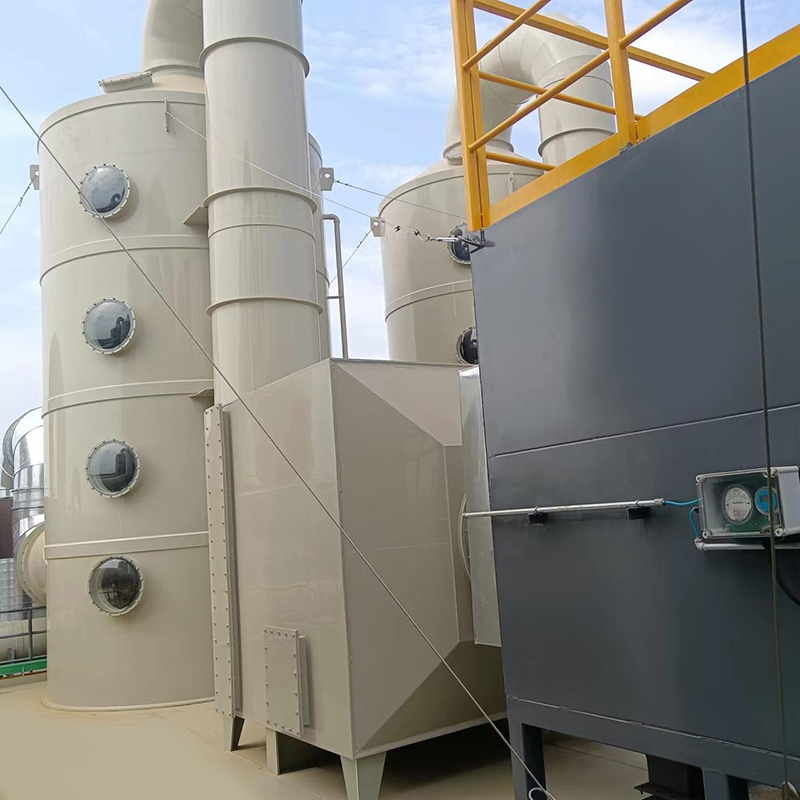
  • LQ-ACA粒状活性炭吸着および凝縮回収システム

    LQ-ACA粒状活性炭吸着および凝縮回収システム

    Cat:エンジニアリング

    概要 VOC-ACAシリーズ有機ガス粒子炭素精製および回復装置は、ベンゼン、アルコール、ケトン、エーテル、フェノール、ガソリンなどの有機廃棄物ガスの吸収、回収、および再利用に使用されます。

    詳細を参照してください
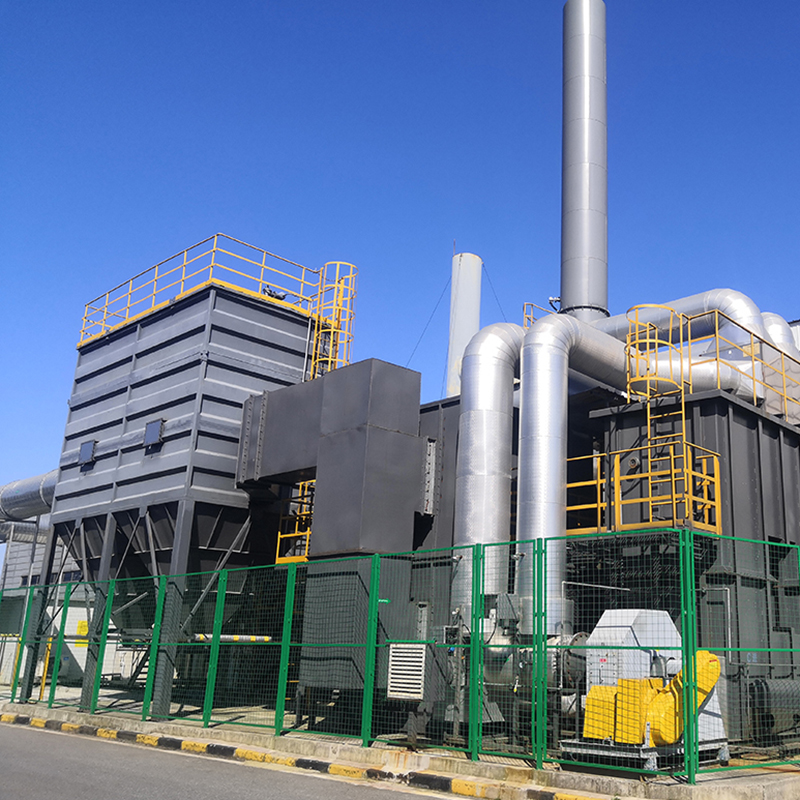
  • LQ-ADW-RTOゼオライトローター + RTO

    LQ-ADW-RTOゼオライトローター + RTO

    Cat:エンジニアリング

    ゼオライトホイールRTOシステムの概念 ゼオライトホイールを使用して有機廃棄ガスを吸着させると、低濃度と高容量廃棄物ガスが高濃度と小さな空気体積に集中し、それにより機器コストと運用コストが削減され、効率的なVOC処理が達成されます。 RTOは高温ガス熱交換を使用して、継続的な吸...

    詳細を参照してください
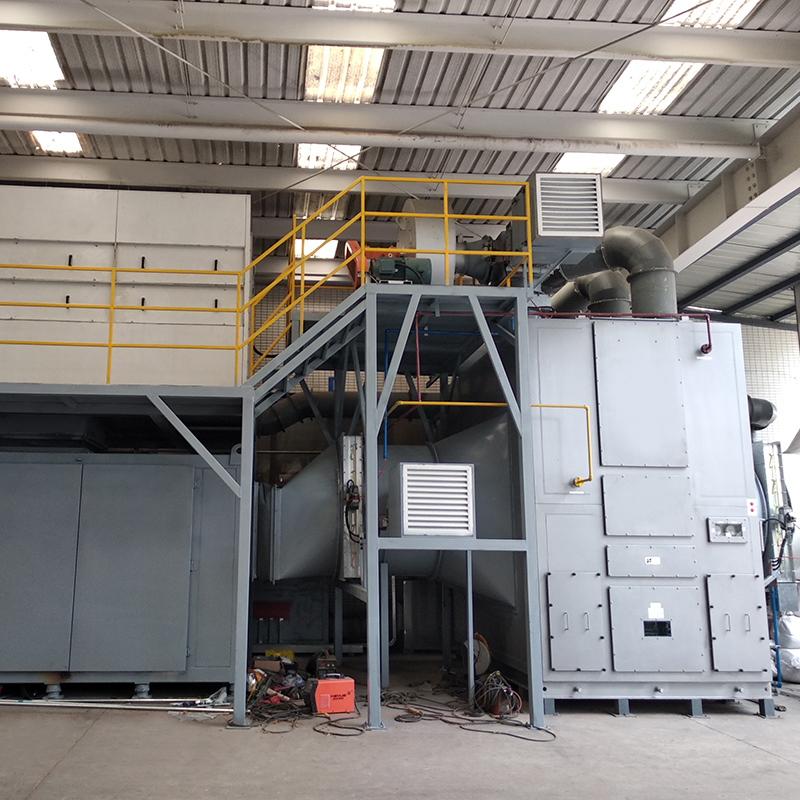
  • LQ-CFT-COハニカム活性炭素吸着 +触媒酸化(CO)

    LQ-CFT-COハニカム活性炭素吸着 +触媒酸化(CO)

    Cat:エンジニアリング

    VOC-CFT-CO吸着触媒精製装置 固定床ハニカム活性炭と触媒燃焼で構成されるVOC-CFT-CO吸着触媒精製装置は、有機ガス治療の経験20年近くの経験に基づいて当社が開発した新しいタイプの効率的で省エネ環境保護装置です。 LTは二次汚染から解放されており、多くのユーザーによ...

    詳細を参照してください
  • LQ-ADW-COゼオライトロータリーコンセントレーター(円筒形/discタイプ)+触媒酸化(CO)

    LQ-ADW-COゼオライトロータリーコンセントレーター(円筒形/discタイプ)+触媒酸化(CO)

    Cat:エンジニアリング

    ゼオライト回転式ホイール触媒燃焼の概念は、一連の機器として 有機廃棄物ガスと廃棄ガス処理の組み合わせプロセスでは、ゼオライト回転式ホイール濃度吸着触媒燃焼装置は、主に高い空気量と低濃度の廃棄物ガスの処理に適しています。  そのコンポーネントには、触媒を毒する可能性のあるSINC...

    詳細を参照してください
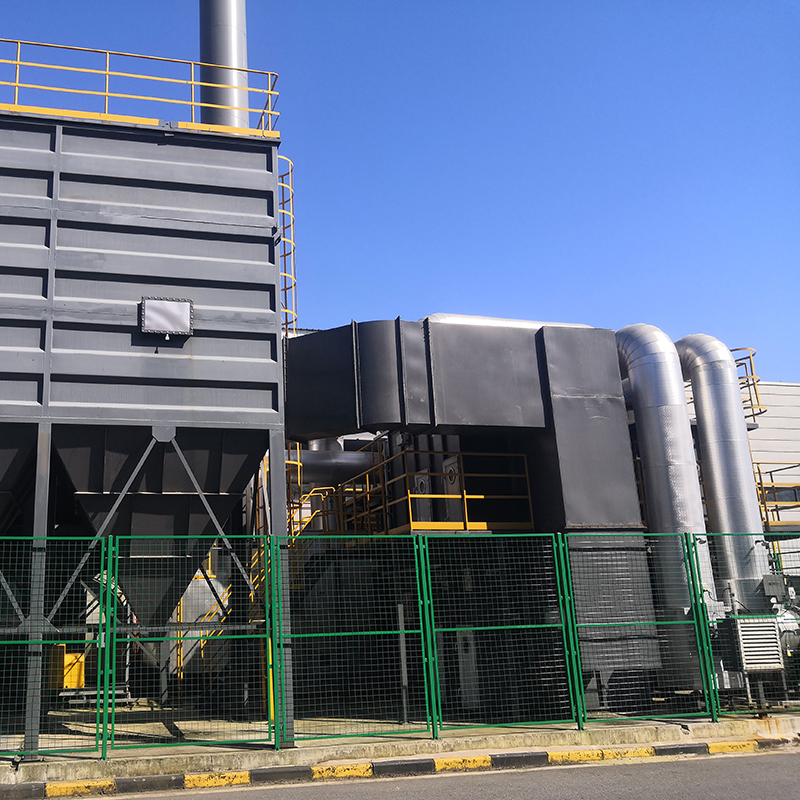
  • LQ-WPG水平スプレーキャビネット

    LQ-WPG水平スプレーキャビネット

    Cat:アクセサリー

    概要 ウェットダスト除去の原理は、ガス液体の2相に完全に接触することにより、気相でダスト粒子を捕獲および分離するプロセスを使用します。 現在、一般的に使用される構造形式は次のとおりです。 1. 水貯蔵:一定量の水が設置され、高速粉塵を含むガスがヒットして...

    詳細を参照してください
カテゴリ
  • 装置
  • エンジニアリング
  • アクセサリー
US にお問い合わせください
クイックリンク
  • 家
  • 製品
    • 装置
    • エンジニアリング
    • アクセサリー
  • ソリューション
    • 石油化学産業
    • 製薬、化学産業
    • コーティング業界
    • 機械産業
    • 絵画産業
    • エレクトロニクス業界
  • 能力
    • R&D
    • サービス
    • 製造
  • 私たちについて
    • 証明書
    • 工場
  • ニュース
    • 会社のニュース
    • 業界のニュース
    • 展示ニュース
  • お問い合わせ
ニュース
  • What Materials Can Be Processed in an LQ-SWI Incinerator?
  • What Is Fixed Bed Zeolite Adsorption Catalytic Oxidation?
連絡してください

No.100 Central Avenue、南経済ニューレア、Gaoyou市、江蘇省、中国

E-MAIL : [email protected]

PHONE : +86-13382748801

TEL : +86-0514-84753397

携帯

wechat

LV Quan Environmental Protection Engineering Technology Co.、Ltd。

PDF

LV Quan Environmental Protection Engineering Technology Co.、Ltd。

Copyright © LV Quan Environmental Protection Engineering Technology Co.、Ltd。 All Rights Reserved.   VOCS有機廃棄物ガス処理工学機器メーカー

LV Quan Environmental Protection Engineering Technology Co.、Ltd。