LV Quan Environmental Protection Engineering Technology Co.、Ltd。
  • 家
  • 製品
    • 装置
    • エンジニアリング
    • アクセサリー
  • ソリューション
    • 石油化学産業
    • 製薬、化学産業
    • コーティング業界
    • 機械産業
    • 絵画産業
    • エレクトロニクス業界
  • 能力
    • R&D
    • サービス
    • 製造
  • 私たちについて
    • 証明書
    • 工場
  • ニュース
    • 会社のニュース
    • 業界のニュース
    • 展示ニュース
  • お問い合わせ
LV Quan Environmental Protection Engineering Technology Co.、Ltd。
  • 日本語
  • Latine
  • 한국어
  • ไทย
  • বাংলা
  • Hrvatski
  • čeština
  • dansk
  • Nederlands
  • Deutsch
  • Pilipino
  • Indonesia
  • Suomalainen
  • italiano
  • Gaeilge
  • Bahasa Melayu
  • norsk
  • فارسی
  • Polskie
  • Português
  • Română
  • Slovák
  • Türk
  • svenska
  • Tiếng Việt
LV Quan Environmental Protection Engineering Technology Co.、Ltd。

Webメニュー

  • 家
  • 製品
    • 装置
    • エンジニアリング
    • アクセサリー
  • ソリューション
    • 石油化学産業
    • 製薬、化学産業
    • コーティング業界
    • 機械産業
    • 絵画産業
    • エレクトロニクス業界
  • 能力
    • R&D
    • サービス
    • 製造
  • 私たちについて
    • 証明書
    • 工場
  • ニュース
    • 会社のニュース
    • 業界のニュース
    • 展示ニュース
  • お問い合わせ

製品検索

言語

  • 日本語
  • Latine
  • 한국어
  • ไทย
  • বাংলা
  • Hrvatski
  • čeština
  • dansk
  • Nederlands
  • Deutsch
  • Pilipino
  • Indonesia
  • Suomalainen
  • italiano
  • Gaeilge
  • Bahasa Melayu
  • norsk
  • فارسی
  • Polskie
  • Português
  • Română
  • Slovák
  • Türk
  • svenska
  • Tiếng Việt

共有

メニューを終了します

  • 業界のニュース
    家 / ニュース / 業界のニュース / How should treatment equipment be selected for VOCs waste gas streams of varying concentrations?

How should treatment equipment be selected for VOCs waste gas streams of varying concentrations?

Vocs Organic Waste Gas Treatment Engineering Equipment Selection Based on Concentration Ranges

For low-concentration VOCs (below 1,000 mg/m³), activated carbon adsorption is the most economical choice. For medium concentrations (1,000–3,000 mg/m³), catalytic combustion (CO) offers optimal efficiency. For high-concentration streams above 3,000 mg/m³ or complex mixtures, Regenerative Thermal Oxidizers (RTO) deliver superior destruction efficiency exceeding 99%.

The fundamental selection criterion is the Lower Explosive Limit (LEL). When VOC concentration exceeds 25% LEL, RTO becomes mandatory for safety compliance. Below this threshold, operational costs and destruction efficiency requirements determine the optimal technology.

Primary Differences Between the Three Core Technologies

Activated Carbon Adsorption

This technology operates through physical adsorption, capturing VOC molecules on porous carbon surfaces. It excels at handling intermittent, low-concentration streams (50–1,000 mg/m³) with initial capital costs 40–60% lower than thermal oxidation systems. However, it generates secondary waste—spent carbon requiring disposal or regeneration—and cannot handle high-moisture or particulate-laden streams effectively.

Catalytic Combustion (CO)

Catalytic systems utilize precious metal catalysts (typically platinum or palladium) to oxidize VOCs at 300–500°C, significantly lower than thermal oxidation. This reduces fuel consumption by 60–80% compared to direct combustion. Ideal for continuous operations with consistent, medium-concentration streams. Catalyst deactivation from silicon, sulfur, or halogen compounds represents the primary operational risk.

Regenerative Thermal Oxidizer (RTO)

RTOs achieve thermal efficiency up to 95–97% through ceramic heat exchangers that recover combustion heat. Operating temperatures range from 760–1,100°C, ensuring complete oxidation even with complex VOC mixtures. While capital investment is highest ($150,000–$500,000 for standard units), operational costs decrease at higher concentrations due to autothermal operation—where VOC combustion sustains the process without supplemental fuel.

Comparative Analysis of VOC Treatment Technologies
Parameter Activated Carbon Catalytic Combustion RTO
Optimal Concentration < 1,000 mg/m³ 1,000–3,000 mg/m³ > 3,000 mg/m³
Operating Temperature Ambient 300–500°C 760–1,100°C
Destruction Efficiency 90–95% 95–99% 99–99.9%
Relative Capital Cost Low (1.0x) Medium (2.5x) High (3.5x)
Secondary Waste Spent carbon None None

Critical Parameters for Equipment Selection

VOC Characteristics

The molecular structure of VOCs directly impacts treatment feasibility. Compounds containing chlorine, sulfur, or silicon will poison catalysts in CO systems within 200–500 operating hours. Benzene, toluene, and xylene (BTX) respond excellently to thermal oxidation, while oxygenated compounds like acetone require higher residence times. Halogenated hydrocarbons necessitate post-treatment scrubbers to remove acid gases formed during combustion.

Flow Rate and Variability

Design capacity must accommodate peak flow rates with a 15–20% safety margin. RTO systems tolerate flow variations of ±20% without significant efficiency loss, whereas catalytic systems require stable flow for optimal heat recovery. Activated carbon beds face channeling risks when flow rates drop below 60% of design capacity.

Particulate and Moisture Content

Inlet streams must contain less than 5 mg/m³ particulates and below 50% relative humidity for carbon adsorption systems. RTOs can handle up to 30 mg/m³ particulates but require pre-filtration for higher loads. Moisture content above 15% by volume significantly reduces adsorption capacity and may necessitate upstream dehumidification.

Regulatory Requirements

Local emission limits dictate destruction efficiency requirements. In the United States, EPA Maximum Achievable Control Technology (MACT) standards often require 99% destruction efficiency, mandating RTO or high-performance CO systems. European Industrial Emissions Directive (IED) thresholds vary by compound, with benzene limits at 5 mg/m³ and total VOC at 20 mg/m³.

Common Malfunctions and Troubleshooting

Activated Carbon System Failures

Breakthrough emissions occur when carbon reaches saturation—detectable when outlet concentrations exceed 10% of inlet levels. This typically happens after 2,000–8,000 hours depending on VOC loading. Bed fires result from exothermic adsorption of ketones or inadequate cooling; temperatures above 150°C in the carbon bed indicate imminent combustion risk.

Catalytic Combustion Issues

Catalyst deactivation manifests as increasing outlet concentrations or rising required operating temperatures. A temperature increase of 50°C above baseline indicates 30% catalyst activity loss. Thermal shock from rapid temperature swings (>100°C/hour) causes catalyst support structure collapse. Preheaters failing to reach 350°C minimum result in incomplete oxidation and dangerous VOC accumulation.

RTO Operational Problems

Ceramic media plugging reduces thermal efficiency below 85%, detectable through increased fuel consumption. Pressure drop across the heat exchanger should not exceed 15 inches of water column; higher values indicate blockage. Valve seal failures cause cross-contamination between inlet and outlet, reducing apparent destruction efficiency while maintaining combustion chamber temperatures.

Diagnostic Indicators and Critical Thresholds
Malfunction Warning Sign Critical Threshold Immediate Action
Carbon bed fire Rising bed temperature > 150°C Emergency nitrogen purge
Catalyst poisoning Increased outlet VOC > 50 ppm outlet Replace catalyst bed
RTO media plugging High pressure drop > 15 in. H₂O Media cleaning/replacement
Insufficient oxidation Low chamber temperature < 760°C (RTO) Increase fuel input

Routine Maintenance Protocols

Daily Inspections

Operators must verify inlet and outlet pressure differentials, record combustion chamber temperatures, and inspect visible components for leaks or corrosion. For carbon systems, daily monitoring of breakthrough detection systems is mandatory. All readings should deviate less than 5% from baseline values established during commissioning.

Weekly Procedures

  • Calibrate VOC analyzers using certified reference gases
  • Inspect fan belts, bearings, and motor amp draws
  • Check safety interlocks and emergency shutdown systems
  • Verify LEL monitor calibration and response times
  • Drain condensate from inlet ductwork and filter housings

Monthly Maintenance

Conduct detailed inspections of valve actuators and seals in RTO systems—replace seals showing wear exceeding 2mm. For catalytic units, inspect preheaters for hot spots indicating element failure. Carbon systems require bed sampling to determine remaining adsorption capacity; iodine numbers below 600 mg/g indicate replacement necessity.

Quarterly and Annual Overhauls

Quarterly activities include complete media inspection in RTO units, catalyst activity testing in CO systems, and carbon replacement for adsorption systems processing high-molecular-weight compounds. Annual maintenance encompasses refractory inspection, burner tuning for optimal 3% oxygen excess, and comprehensive control system verification. Budget approximately 8–12% of initial capital cost annually for maintenance materials and labor.

Frequently Asked Questions

Can multiple VOC treatment technologies be combined?

Yes. Concentrator-RTO hybrid systems use zeolite or carbon wheels to concentrate low-VOC streams (50–500 mg/m³) by 10:1 to 20:1 ratios before thermal oxidation. This configuration reduces RTO fuel consumption by 70–90% compared to direct treatment of dilute streams. Similarly, carbon adsorption with steam regeneration feeding catalytic combustion handles intermittent high-concentration peaks.

What is the typical payback period for RTO versus catalytic combustion?

At VOC concentrations above 2,500 mg/m³, RTO systems achieve payback within 18–30 months through fuel savings despite higher capital costs. Catalytic combustion offers faster payback (12–18 months) at medium concentrations where catalyst longevity exceeds 3 years. Below 1,500 mg/m³, activated carbon remains the most cost-effective over a 10-year lifecycle.

How do I handle variable VOC concentrations from batch processes?

Install buffer tanks or surge vessels to dampen concentration spikes. For RTO systems, implement hot gas bypass to vent excess heat when concentrations exceed autothermal conditions. Catalytic systems require dilution air injection to maintain inlet concentrations below 25% LEL. Activated carbon systems tolerate variation best but require oversized beds to handle peak loading without breakthrough.

Are there alternatives for halogenated VOCs that cannot use standard catalysts?

Halogenated compounds require thermal oxidizers with quench towers and acid gas scrubbers. RTOs can be adapted with corrosion-resistant ceramic media and downstream caustic scrubbers to remove HCl or HF. Alternatively, recuperative thermal oxidizers (non-regenerative) offer simpler integration with wet scrubbing systems for small-scale applications.

What safety systems are mandatory for VOC treatment equipment?

All thermal oxidation systems require LEL monitors with automatic fuel cutoffs at 25% LEL (or 50% with SIL-rated controls). High-temperature shutdowns trigger at 1,200°C for RTOs. Carbon systems need carbon monoxide detectors in vessel headspaces and nitrogen purge systems for fire suppression. Emergency relief vents must handle 150% of maximum anticipated flow.

前の投稿 How does VOCs organic waste gas treatment engineering equipment prevent the risks of fire and explosion?
次の投稿 What are the functions of Horizontal spray cabinet?

関連製品

  • LQ-RTO熱貯蔵高温焼却装置

    LQ-RTO熱貯蔵高温焼却装置

    Cat:装置

    タワータイプRTOの概要 再生熱酸化剤(RTO)は、高温酸化とマルチ塔の熱貯蔵技術を組み合わせた有機廃棄物ガス処理装置です。それは効果的に熱損失を減らし、エネルギーを節約します。

    詳細を参照してください
  • lq-direct fired高温焼却浄化装置(炉へ)

    lq-direct fired高温焼却浄化装置(炉へ)

    Cat:装置

    概要 略された直接燃焼高温焼却装置は、補助燃料の燃焼によって生成される熱を利用して、反応温度への可燃性有害ガスの温度を上げ、したがってガスの酸化と分解を誘導します。

    詳細を参照してください
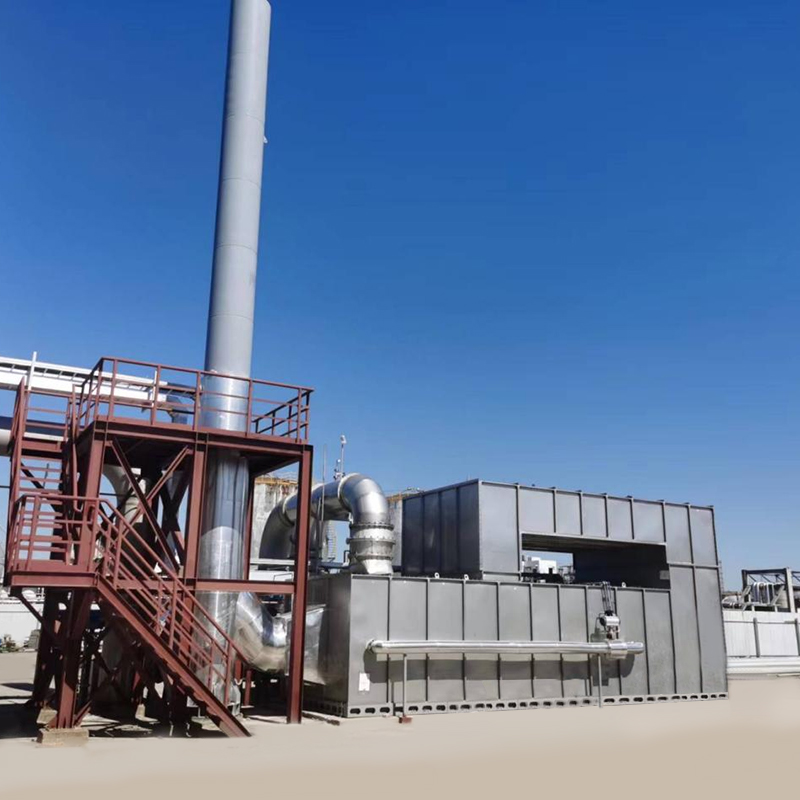
  • LQ-Co触媒燃焼装置

    LQ-Co触媒燃焼装置

    Cat:装置

    概要 触媒燃焼は、触媒を使用して低温で排気ガスの可燃性物質を酸化して分解する精製方法です。したがって、触媒燃焼は触媒化学変換としても知られています。触媒は酸化と分解のプロセスを加速するため、炭化水素は250〜300℃の温度で触媒によって完全に酸化することができます。 ...

    詳細を参照してください
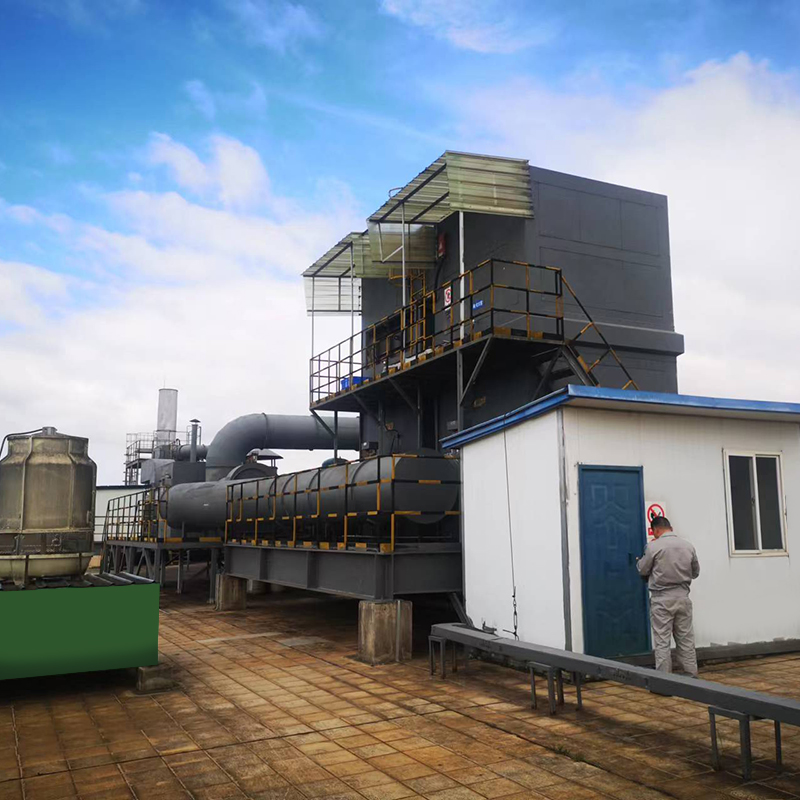
  • LQTT-COガス熱交換器

    LQTT-COガス熱交換器

    Cat:装置

    製品の紹介 ガス熱交換器は、主に、さまざまな産業における煙道ガスの廃熱回収およびさまざまなプロセスシステムで必要な熱交換における省エネおよび排出削減産業に使用されます。熱交換を使用して廃熱煙道ガスの温度を下げることにより、熱回収システムは、省エネと企業の経済的利益を高めるという...

    詳細を参照してください
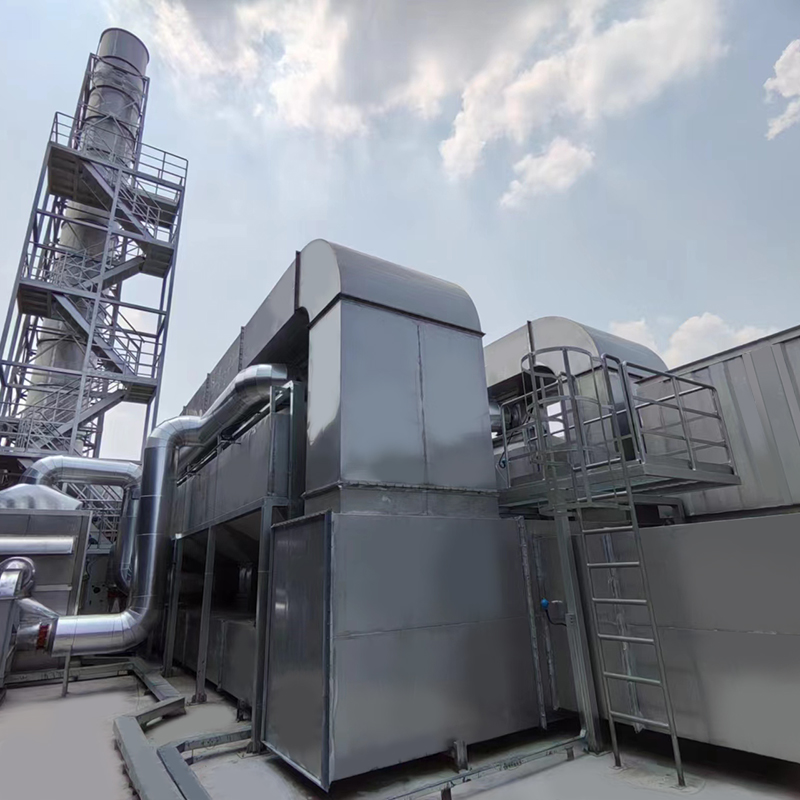
  • LQ-ACF活性炭繊維有機溶媒凝縮回収装置

    LQ-ACF活性炭繊維有機溶媒凝縮回収装置

    Cat:エンジニアリング

    活性炭繊維有機溶媒浄化回収装置の概要 活性炭繊維有機溶媒溶媒浄化回収システム(ACF)は、吸着剤培地として高品質の活性炭繊維を利用する環境保護装置です。マイクロコンピューターによって制御され、完全に自動化されたこのシステムは、振動の削減、音響断熱、爆発保護、過熱および過...

    詳細を参照してください
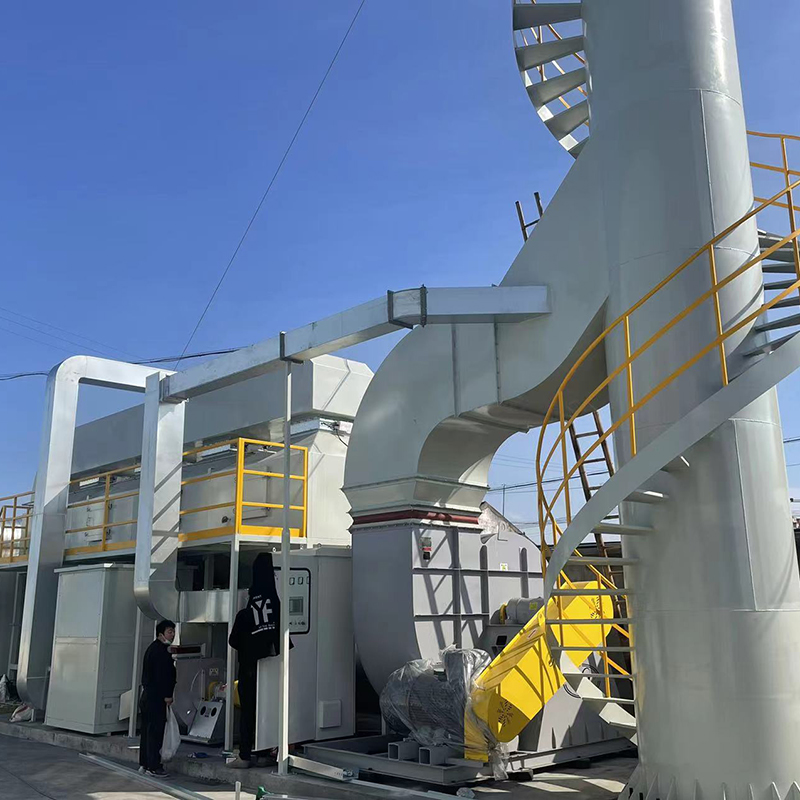
  • LQ-ADW-RTOゼオライトロータリーコンセントレーター(円筒形/ディスクタイプ)+再生熱酸化剤(RTO)

    LQ-ADW-RTOゼオライトロータリーコンセントレーター(円筒形/ディスクタイプ)+再生熱酸化剤(RTO)

    Cat:エンジニアリング

    機器の完全なセットの概念 有機廃棄物ガスにロータリードラムゼオライトの吸着を使用する目的は、低濃度の大濃度の排気を高濃度の低容量の流れに集中させることです。このプロセスにより、機器のコストと運用費用が削減され、効率的なVOC治療が達成されます。脱着と再生のために触媒燃焼からの高...

    詳細を参照してください
  • LQ-CF-CO固定ベッドゼオライト吸着 +触媒酸化(CO)

    LQ-CF-CO固定ベッドゼオライト吸着 +触媒酸化(CO)

    Cat:エンジニアリング

    一連の機器としての固定ベッドゼオライト触媒燃焼の概念 固定床ゼオライト触媒燃焼装置は、低濃度、断続的な生産(造船業など)、およびUV塗料やスチレンなどの揮発性有機化合物の濃度と吸着処理に適しています。継続的な安定した操作、治療空気量、治療廃棄物ガス濃度、排出濃度において独自の利...

    詳細を参照してください
  • LQ-ADW-COゼオライトロータリーコンセントレーター(円筒形/discタイプ)+触媒酸化(CO)

    LQ-ADW-COゼオライトロータリーコンセントレーター(円筒形/discタイプ)+触媒酸化(CO)

    Cat:エンジニアリング

    ゼオライト回転式ホイール触媒燃焼の概念は、一連の機器として 有機廃棄物ガスと廃棄ガス処理の組み合わせプロセスでは、ゼオライト回転式ホイール濃度吸着触媒燃焼装置は、主に高い空気量と低濃度の廃棄物ガスの処理に適しています。  そのコンポーネントには、触媒を毒する可能性のあるSINC...

    詳細を参照してください
  • LQ-Adw-to Zeoliteロータリーコンセントレーター(円筒形/ディスクタイプ)+熱酸化剤(to)

    LQ-Adw-to Zeoliteロータリーコンセントレーター(円筒形/ディスクタイプ)+熱酸化剤(to)

    Cat:エンジニアリング

    ゼオライトホイール直接燃焼の概念高温焼却装置 有機廃棄物ガスにロータリードラムゼオライトの吸着を使用する目的は、低濃度の大濃度の排気を高濃度の低容量の流れに集中させることです。このプロセスにより、機器のコストと運用費用が削減され、効率的なVOC治療が達成されます。高温脱着後、高...

    詳細を参照してください
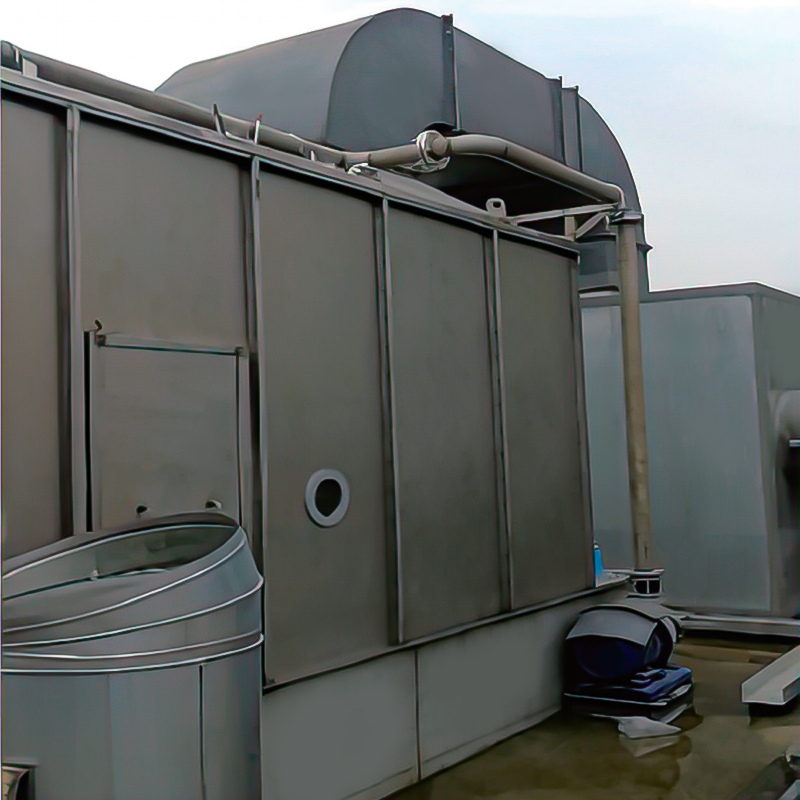
  • LQ-GXF高温圧圧バルブ

    LQ-GXF高温圧圧バルブ

    Cat:アクセサリー

    目的 主に高温煙道ガスの比例換気に使用されます。 LTは、RTOやその他の高温煙の直接排出場所など、漏れレートの要件が高くない場所で広く使用されています。主に蝶のバルブ本体と一致する空気圧アクチュエータ(GT/RT/AT/AWシリーズ)で構成されており、低圧パイプライン培地のス...

    詳細を参照してください
カテゴリ
  • 装置
  • エンジニアリング
  • アクセサリー
US にお問い合わせください
クイックリンク
  • 家
  • 製品
    • 装置
    • エンジニアリング
    • アクセサリー
  • ソリューション
    • 石油化学産業
    • 製薬、化学産業
    • コーティング業界
    • 機械産業
    • 絵画産業
    • エレクトロニクス業界
  • 能力
    • R&D
    • サービス
    • 製造
  • 私たちについて
    • 証明書
    • 工場
  • ニュース
    • 会社のニュース
    • 業界のニュース
    • 展示ニュース
  • お問い合わせ
ニュース
  • What Materials Can Be Processed in an LQ-SWI Incinerator?
  • What Is Fixed Bed Zeolite Adsorption Catalytic Oxidation?
連絡してください

No.100 Central Avenue、南経済ニューレア、Gaoyou市、江蘇省、中国

E-MAIL : [email protected]

PHONE : +86-13382748801

TEL : +86-0514-84753397

携帯

wechat

LV Quan Environmental Protection Engineering Technology Co.、Ltd。

PDF

LV Quan Environmental Protection Engineering Technology Co.、Ltd。

Copyright © LV Quan Environmental Protection Engineering Technology Co.、Ltd。 All Rights Reserved.   VOCS有機廃棄物ガス処理工学機器メーカー

LV Quan Environmental Protection Engineering Technology Co.、Ltd。