LV Quan Environmental Protection Engineering Technology Co.、Ltd。
  • 家
  • 製品
    • 装置
    • エンジニアリング
    • アクセサリー
  • ソリューション
    • 石油化学産業
    • 製薬、化学産業
    • コーティング業界
    • 機械産業
    • 絵画産業
    • エレクトロニクス業界
  • 能力
    • R&D
    • サービス
    • 製造
  • 私たちについて
    • 証明書
    • 工場
  • ニュース
    • 会社のニュース
    • 業界のニュース
    • 展示ニュース
  • お問い合わせ
LV Quan Environmental Protection Engineering Technology Co.、Ltd。
  • 日本語
  • Latine
  • 한국어
  • ไทย
  • বাংলা
  • Hrvatski
  • čeština
  • dansk
  • Nederlands
  • Deutsch
  • Pilipino
  • Indonesia
  • Suomalainen
  • italiano
  • Gaeilge
  • Bahasa Melayu
  • norsk
  • فارسی
  • Polskie
  • Português
  • Română
  • Slovák
  • Türk
  • svenska
  • Tiếng Việt
LV Quan Environmental Protection Engineering Technology Co.、Ltd。

Webメニュー

  • 家
  • 製品
    • 装置
    • エンジニアリング
    • アクセサリー
  • ソリューション
    • 石油化学産業
    • 製薬、化学産業
    • コーティング業界
    • 機械産業
    • 絵画産業
    • エレクトロニクス業界
  • 能力
    • R&D
    • サービス
    • 製造
  • 私たちについて
    • 証明書
    • 工場
  • ニュース
    • 会社のニュース
    • 業界のニュース
    • 展示ニュース
  • お問い合わせ

製品検索

言語

  • 日本語
  • Latine
  • 한국어
  • ไทย
  • বাংলা
  • Hrvatski
  • čeština
  • dansk
  • Nederlands
  • Deutsch
  • Pilipino
  • Indonesia
  • Suomalainen
  • italiano
  • Gaeilge
  • Bahasa Melayu
  • norsk
  • فارسی
  • Polskie
  • Português
  • Română
  • Slovák
  • Türk
  • svenska
  • Tiếng Việt

共有

メニューを終了します

  • 業界のニュース
    家 / ニュース / 業界のニュース / How does VOCs organic waste gas treatment engineering equipment prevent the risks of fire and explosion?

How does VOCs organic waste gas treatment engineering equipment prevent the risks of fire and explosion?

Fire and Explosion Prevention in VOCs Treatment Systems

The primary defense against fire and explosion risks involves maintaining VOC concentrations below 25% of the Lower Explosive Limit (LEL) and installing automatic suppression systems. VOCs organic waste gas treatment engineering equipment operates with highly flammable compounds, making intrinsic safety design non-negotiable.

Critical Safety Mechanisms

Modern treatment systems employ multiple protective layers. LEL monitors must trigger alarms at 25% concentration and automatically shut down systems at 50% LEL. Thermal oxidizers require flame arrestors on inlet piping and explosion relief panels rated for 0.5-1.0 barg overpressure.

Fire Prevention Requirements by Treatment Technology
Technology LEL Limit Required Safety Device
Regenerative Thermal Oxidizer (RTO) 25% LEL Flame arrestor + bypass damper
Catalytic Oxidizer 20% LEL Temperature interlock + poison guard
Activated Carbon Adsorption 30% LEL Nitrogen purge + hot spot detection
Condensation Recovery No limit Explosion-proof electrical (Class I Div 1)

Operational Protocols

Pre-startup purge cycles must exchange 4-6 vessel volumes with fresh air. Hot work permits are mandatory when VOC concentrations exceed 10% LEL in surrounding areas. Static grounding resistance should remain below 10 ohms for all conductive equipment.

  • Install continuous gas monitoring at inlet, combustion chamber, and exhaust points
  • Maintain minimum 3-meter clearance from ignition sources for carbon bed systems
  • Conduct quarterly inspection of flame arrestor elements for fouling or damage

Root Causes of Low VOCs Collection Efficiency

Poor capture efficiency typically stems from insufficient hood face velocities below 0.5 m/s and unsealed process openings allowing fugitive emissions. Industrial assessments reveal that 60-80% of underperforming systems suffer from basic airflow management failures rather than equipment defects.

Design and Installation Deficiencies

Capture hoods must maintain 0.5-1.0 m/s face velocity for open surface tanks and 0.25-0.5 m/s for enclosed processes. Ductwork velocities below 10 m/s cause particle dropout; above 15 m/s create excessive pressure loss. 90-degree elbows without turning vanes reduce efficiency by 15-20%.

Common Efficiency Loss Factors and Impact
Issue Typical Impact Detection Method
Hood too far from source (>1.5× hood diameter) 40-60% loss Smoke tube visualization
Duct leakage (5% of surface area) 15-25% loss Pressure decay testing
Unbalanced multi-branch systems 20-35% loss Pitot traverse measurement
Fan speed degradation (10% reduction) 19% flow loss Vibration analysis + amp draw

Process-Specific Challenges

Solvent-based coating operations generate peak emission spikes 3-5× average loading, overwhelming constant-speed collectors. Variable frequency drives (VFDs) with pressure transducer feedback maintain optimal capture during load fluctuations. Enclosed conveyor systems show 85-95% capture rates versus 40-60% for open dip tanks.

Equipment Service Life Expectations

Well-maintained VOCs treatment equipment typically delivers 8-15 years of service, with thermal oxidizers achieving 15-20 years and carbon adsorption systems requiring media replacement every 3-5 years. Actual lifespan depends heavily on corrosion resistance, thermal cycling frequency, and preventive maintenance rigor.

Component-Level Durability

Ceramic heat exchange media in RTOs withstand 10-15 years before thermal shock degradation reduces efficiency below 85%. Stainless steel burner tubes in direct-fired oxidizers last 8-12 years depending on chloride content in process streams. Catalyst beds for halogenated VOCs degrade 40% faster than those handling ketones or alcohols.

Service Life by Equipment Component
Component Standard Life Failure Mode
RTO Ceramic Media 10-15 years Thermal cracking, plugging
Catalyst (Precious Metal) 5-8 years Poisoning, sintering
Activated Carbon 3-5 years Pore saturation, attrition
Combustion Burners 8-12 years Corrosion, nozzle erosion
Extraction Fans 10-15 years Bearing wear, impeller corrosion

Life Extension Strategies

Implementing annual thermal imaging inspections identifies refractory hot spots before structural failure. pH buffering of inlet streams below 6.0 or above 8.0 extends carbon steel ductwork life by 3-4 years. Systems operating with pre-filters removing 95% of particulates achieve 30% longer catalyst life.

Engineering Design Considerations

Proper sizing requires 20-30% excess capacity above peak design flow to accommodate production expansion without compromising treatment efficiency. Undersized systems operating at 100% capacity cannot handle filter loading or duct fouling that naturally occurs over time.

Material Selection Criteria

Halogenated VOCs (methylene chloride, perchloroethylene) demand 316L stainless steel or Hastelloy C construction to prevent chloride stress corrosion. Carbon steel degrades 10× faster in these environments. For ketone-laden streams, aluminum components are prohibited due to potential peroxide formation.

  1. Temperature tolerance: Select seals and gaskets rated 50°C above maximum operating temperature
  2. Chemical compatibility: Verify elastomer resistance to specific solvent blends
  3. Thermal expansion: Accommodate 3-5 mm/m expansion in high-temperature ducting

Frequently Asked Technical Questions

What monitoring is required for compliance?

Continuous Parameter Monitoring Systems (CPMS) must track combustion chamber temperature (±5°C accuracy), retention time, and destruction efficiency. Weekly calibration checks and quarterly relative accuracy test audits (RATA) are mandatory under MACT standards.

How is energy consumption optimized?

Regenerative thermal oxidizers achieve 95-97% thermal efficiency through ceramic heat recovery. Concentrator wheels with zeolite media reduce large-volume, low-concentration streams by 10:1 to 20:1 before oxidation, cutting fuel use by 60-80%.

What causes catalyst deactivation?

Phosphorus, sulfur, and heavy metals poison precious metal catalysts at concentrations as low as 1 ppm. Silicones form silica deposits that block active sites. Pre-filtration to 0.3 microns and activated carbon guard beds extend catalyst life by 2-3 years.

When is carbon adsorption preferred over oxidation?

Activated carbon remains cost-effective for solvent recovery applications where adsorbates have resale value (> $2/kg) and inlet concentrations below 1,000 ppm. Steam regeneration costs $0.08-0.12 per pound of carbon versus $0.15-0.25 for thermal oxidation fuel costs.

How are startup emissions controlled?

Purge cycles must achieve 3× air changes before introducing VOC-laden streams. RTOs utilize supplemental fuel burners to reach 760°C setpoint within 30 minutes. Bypass dampers divert uncleaned gas only during upset conditions, not normal startup.

前の投稿 What is the removal efficiency of the Organic Waste Gas Treatment Equipment?
次の投稿 How should treatment equipment be selected for VOCs waste gas streams of varying concentrations?

関連製品

  • lq-direct fired高温焼却浄化装置(炉へ)

    lq-direct fired高温焼却浄化装置(炉へ)

    Cat:装置

    概要 略された直接燃焼高温焼却装置は、補助燃料の燃焼によって生成される熱を利用して、反応温度への可燃性有害ガスの温度を上げ、したがってガスの酸化と分解を誘導します。

    詳細を参照してください
  • LQ-RCO熱貯蔵触媒焼却装置

    LQ-RCO熱貯蔵触媒焼却装置

    Cat:装置

    概要 熱貯蔵触媒酸化(再生触媒酸化剤/RCO)は、低温触媒酸化と熱貯蔵技術を組み合わせた有機廃棄物ガス処理装置です。この機器は、浄化後に放電ガスの温度を大幅に低下させながら、熱損失とエネルギー消費を効果的に削減します。

    詳細を参照してください

  • LQ-SWI固形廃棄物焼却炉

    LQ-SWI固形廃棄物焼却炉

    Cat:装置

    概要 固形廃棄物の焼却炉は、高温燃焼を通じて廃棄物とガスに廃棄物に変換するように設計された固形廃棄物の管理に不可欠な装置であり、それにより環境を浄化します。これらの炉は、給餌システム、燃焼システム、熱回収システム、煙道ガス浄化システム、灰除去システムなど、いくつかの主要...

    詳細を参照してください
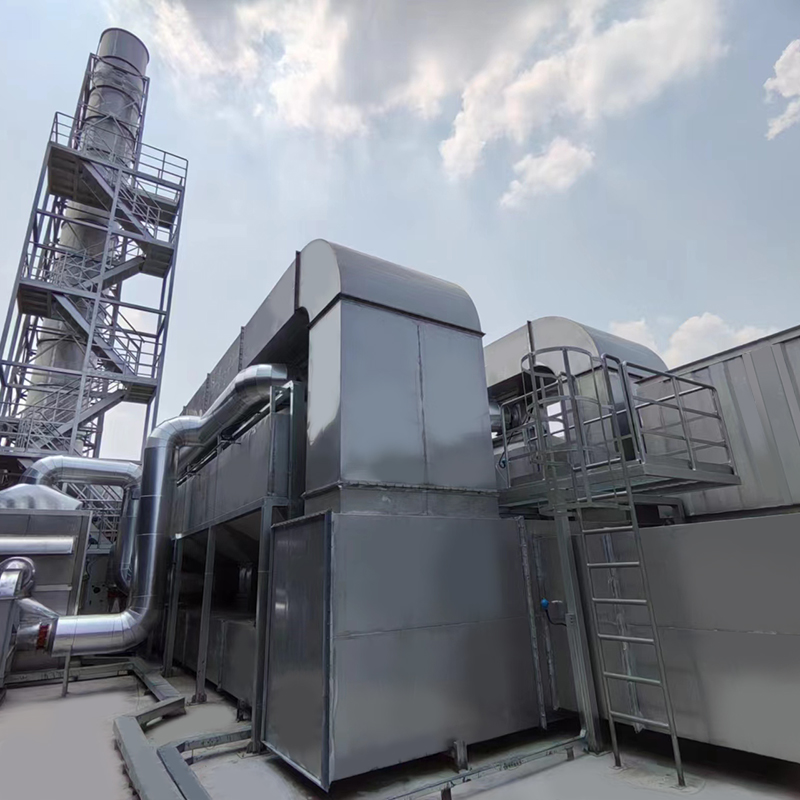
  • LQ-ACF活性炭繊維有機溶媒凝縮回収装置

    LQ-ACF活性炭繊維有機溶媒凝縮回収装置

    Cat:エンジニアリング

    活性炭繊維有機溶媒浄化回収装置の概要 活性炭繊維有機溶媒溶媒浄化回収システム(ACF)は、吸着剤培地として高品質の活性炭繊維を利用する環境保護装置です。マイクロコンピューターによって制御され、完全に自動化されたこのシステムは、振動の削減、音響断熱、爆発保護、過熱および過...

    詳細を参照してください
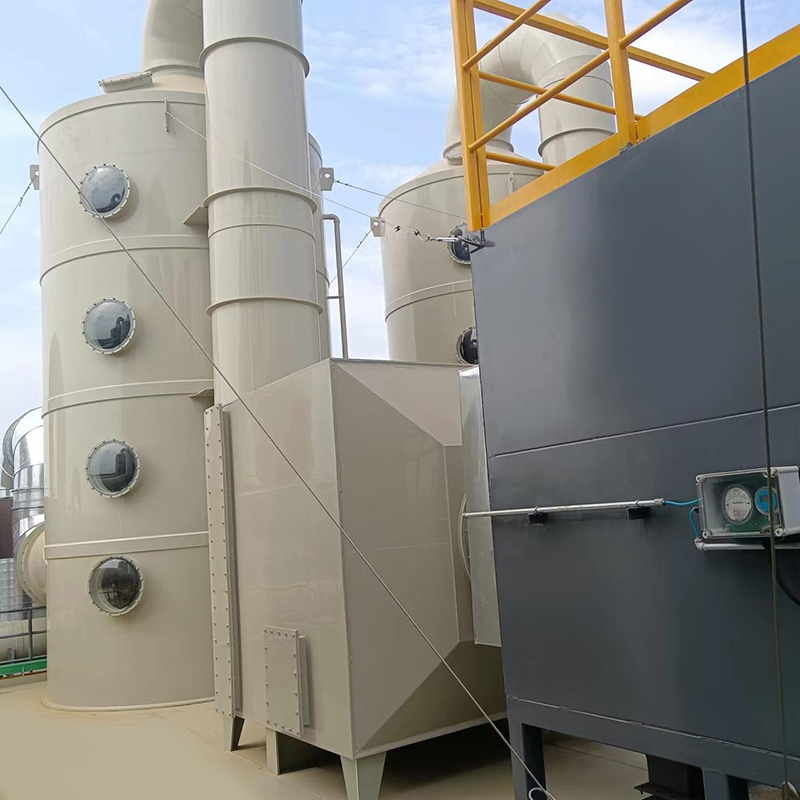
  • LQ-ACA粒状活性炭吸着および凝縮回収システム

    LQ-ACA粒状活性炭吸着および凝縮回収システム

    Cat:エンジニアリング

    概要 VOC-ACAシリーズ有機ガス粒子炭素精製および回復装置は、ベンゼン、アルコール、ケトン、エーテル、フェノール、ガソリンなどの有機廃棄物ガスの吸収、回収、および再利用に使用されます。

    詳細を参照してください
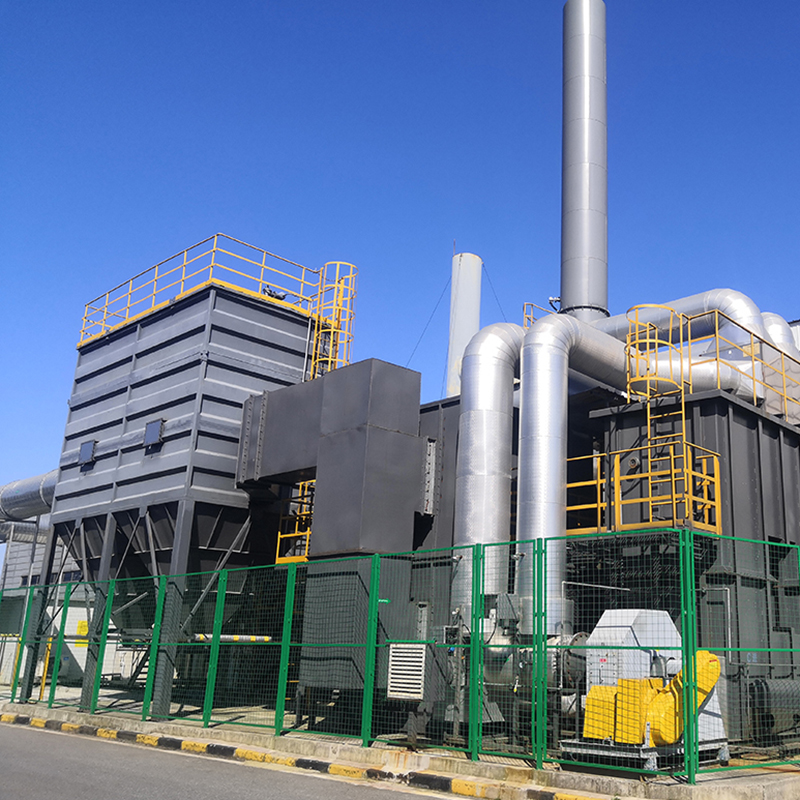
  • LQ-ADW-RTOゼオライトローター + RTO

    LQ-ADW-RTOゼオライトローター + RTO

    Cat:エンジニアリング

    ゼオライトホイールRTOシステムの概念 ゼオライトホイールを使用して有機廃棄ガスを吸着させると、低濃度と高容量廃棄物ガスが高濃度と小さな空気体積に集中し、それにより機器コストと運用コストが削減され、効率的なVOC処理が達成されます。 RTOは高温ガス熱交換を使用して、継続的な吸...

    詳細を参照してください
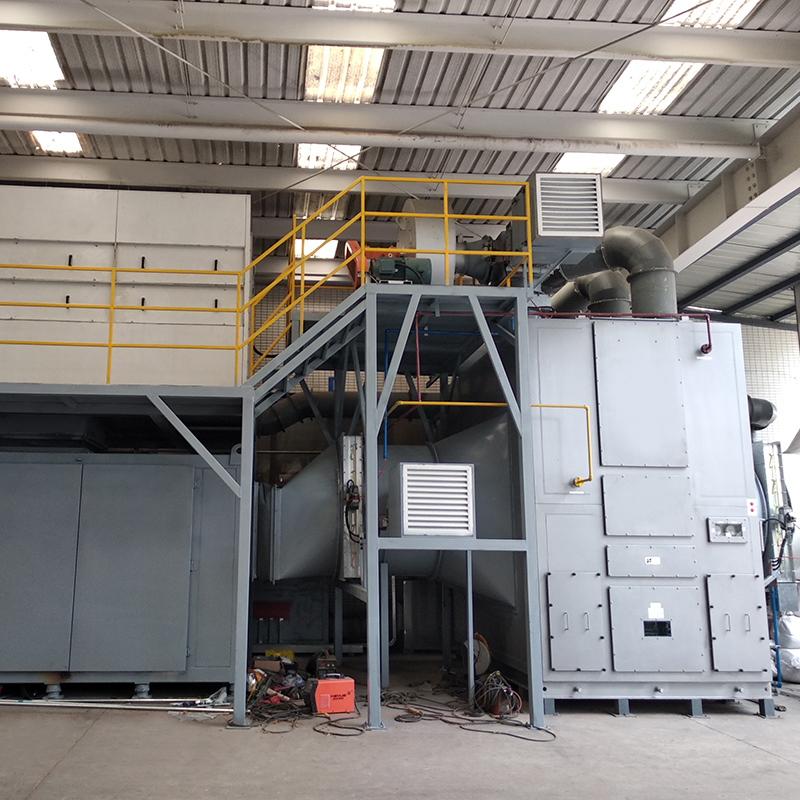
  • LQ-ADW-RTOゼオライトロータリーコンセントレーター(円筒形/ディスクタイプ)+再生熱酸化剤(RTO)

    LQ-ADW-RTOゼオライトロータリーコンセントレーター(円筒形/ディスクタイプ)+再生熱酸化剤(RTO)

    Cat:エンジニアリング

    機器の完全なセットの概念 有機廃棄物ガスにロータリードラムゼオライトの吸着を使用する目的は、低濃度の大濃度の排気を高濃度の低容量の流れに集中させることです。このプロセスにより、機器のコストと運用費用が削減され、効率的なVOC治療が達成されます。脱着と再生のために触媒燃焼からの高...

    詳細を参照してください
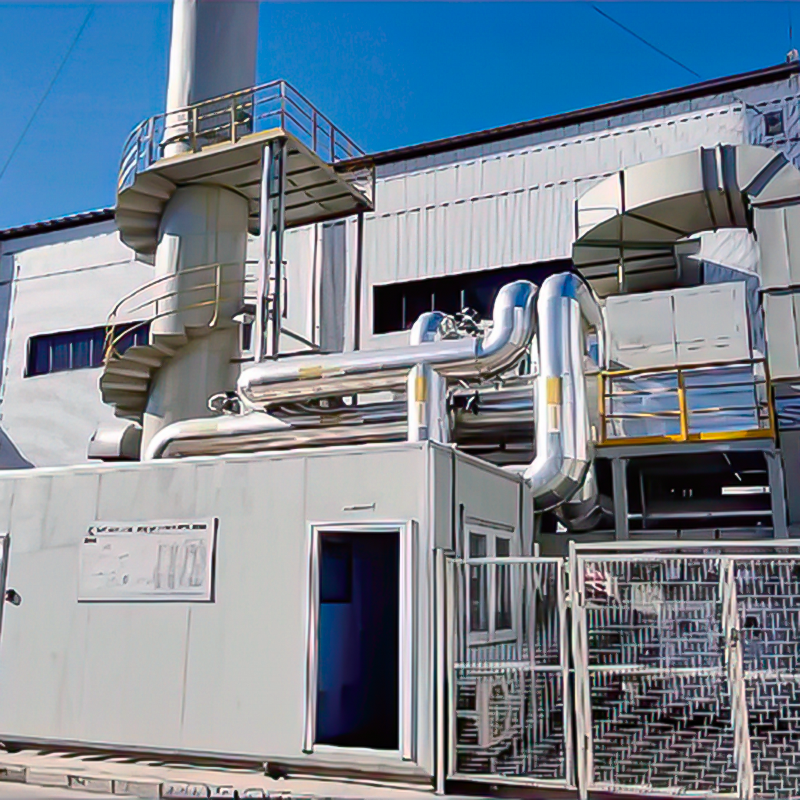
  • LQ-CF-CO固定ベッドゼオライト吸着 +触媒酸化(CO)

    LQ-CF-CO固定ベッドゼオライト吸着 +触媒酸化(CO)

    Cat:エンジニアリング

    一連の機器としての固定ベッドゼオライト触媒燃焼の概念 固定床ゼオライト触媒燃焼装置は、低濃度、断続的な生産(造船業など)、およびUV塗料やスチレンなどの揮発性有機化合物の濃度と吸着処理に適しています。継続的な安定した操作、治療空気量、治療廃棄物ガス濃度、排出濃度において独自の利...

    詳細を参照してください
  • LQ-Adw-to Zeoliteロータリーコンセントレーター(円筒形/ディスクタイプ)+熱酸化剤(to)

    LQ-Adw-to Zeoliteロータリーコンセントレーター(円筒形/ディスクタイプ)+熱酸化剤(to)

    Cat:エンジニアリング

    ゼオライトホイール直接燃焼の概念高温焼却装置 有機廃棄物ガスにロータリードラムゼオライトの吸着を使用する目的は、低濃度の大濃度の排気を高濃度の低容量の流れに集中させることです。このプロセスにより、機器のコストと運用費用が削減され、効率的なVOC治療が達成されます。高温脱着後、高...

    詳細を参照してください
  • LQ-GXF高温圧圧バルブ

    LQ-GXF高温圧圧バルブ

    Cat:アクセサリー

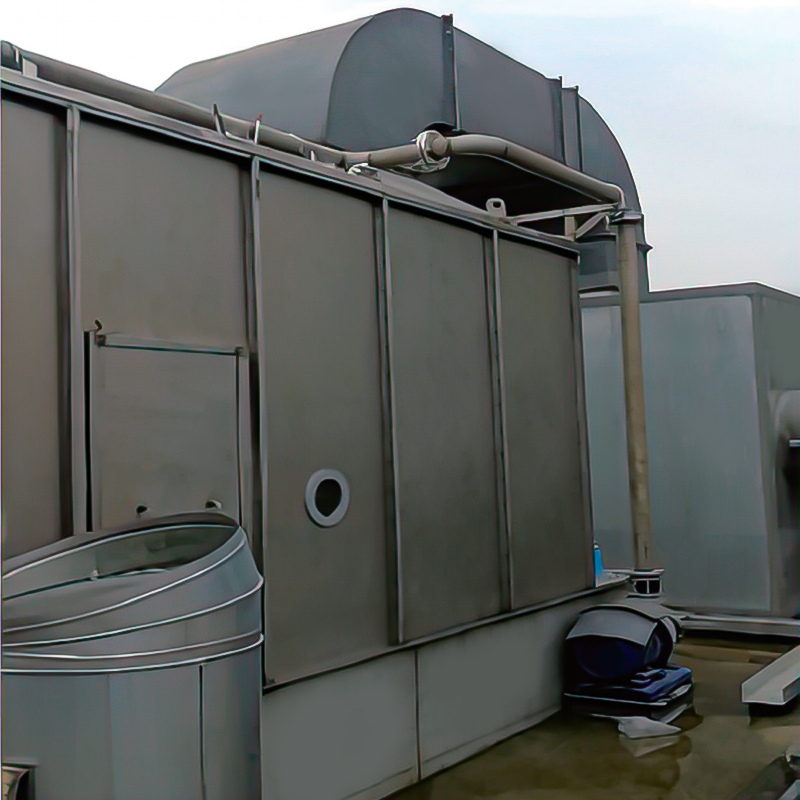
    目的 主に高温煙道ガスの比例換気に使用されます。 LTは、RTOやその他の高温煙の直接排出場所など、漏れレートの要件が高くない場所で広く使用されています。主に蝶のバルブ本体と一致する空気圧アクチュエータ(GT/RT/AT/AWシリーズ)で構成されており、低圧パイプライン培地のス...

    詳細を参照してください
カテゴリ
  • 装置
  • エンジニアリング
  • アクセサリー
US にお問い合わせください
クイックリンク
  • 家
  • 製品
    • 装置
    • エンジニアリング
    • アクセサリー
  • ソリューション
    • 石油化学産業
    • 製薬、化学産業
    • コーティング業界
    • 機械産業
    • 絵画産業
    • エレクトロニクス業界
  • 能力
    • R&D
    • サービス
    • 製造
  • 私たちについて
    • 証明書
    • 工場
  • ニュース
    • 会社のニュース
    • 業界のニュース
    • 展示ニュース
  • お問い合わせ
ニュース
  • What Materials Can Be Processed in an LQ-SWI Incinerator?
  • What Is Fixed Bed Zeolite Adsorption Catalytic Oxidation?
連絡してください

No.100 Central Avenue、南経済ニューレア、Gaoyou市、江蘇省、中国

E-MAIL : [email protected]

PHONE : +86-13382748801

TEL : +86-0514-84753397

携帯

wechat

LV Quan Environmental Protection Engineering Technology Co.、Ltd。

PDF

LV Quan Environmental Protection Engineering Technology Co.、Ltd。

Copyright © LV Quan Environmental Protection Engineering Technology Co.、Ltd。 All Rights Reserved.   VOCS有機廃棄物ガス処理工学機器メーカー

LV Quan Environmental Protection Engineering Technology Co.、Ltd。